
185.63.253 IP: Geolocation, Hosting & Security Insights

In the vast landscape of the internet, every IP address carries meaning. Far from being just a string of numbers, IP addresses like 185.63.253 serve as digital identifiers, directing traffic, linking servers, and shaping how data flows around the globe. While most users rarely think about IPs beyond their home connection, these numbers are essential for the functioning of websites, servers, and online services. In this article, we’ll explore 185.63.253, uncovering its geolocation, hosting uses, security implications, and the broader significance of such IP ranges in the digital world.
Understanding 185.63.253: Geolocation and Ownership
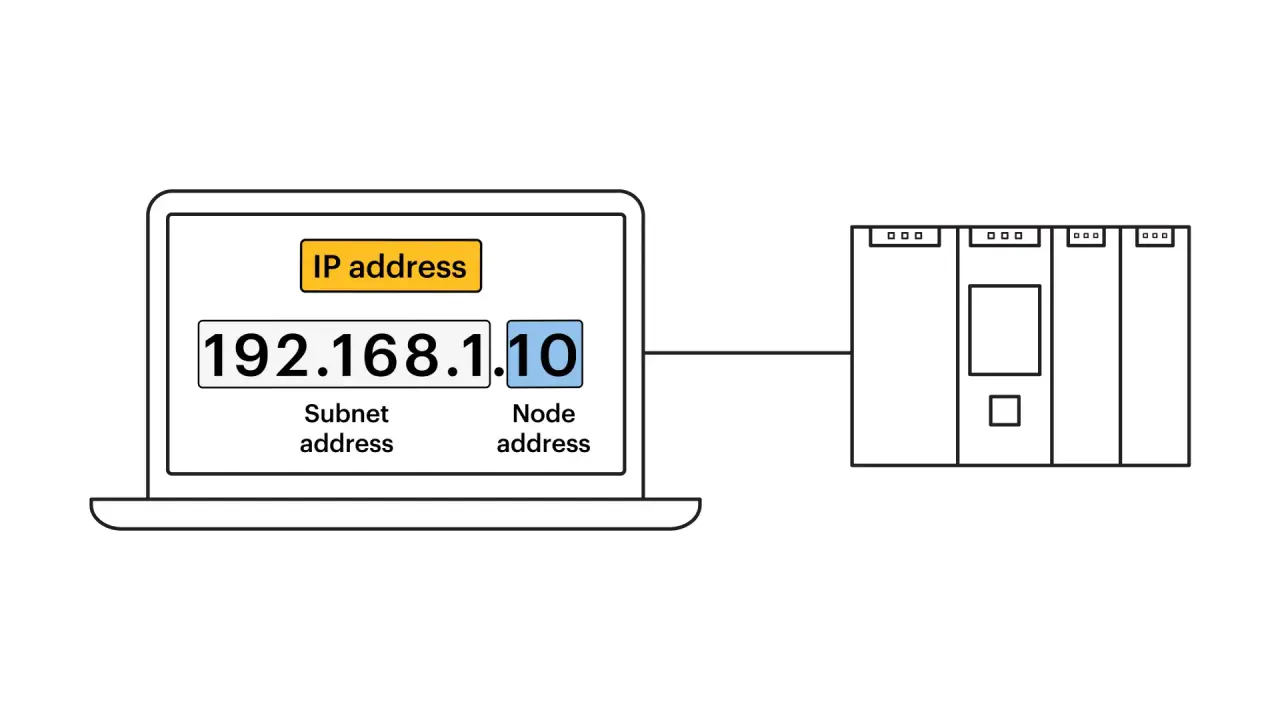
At its core, 185.63.253 refers to a block of IP addresses, typically spanning 256 addresses from 185.63.253.0 to 185.63.253.255. This kind of allocation is known as a /24 subnet. Such subnets are common for servers and data center operations, rather than individual residential users.
Geolocation analysis of this IP range places it in the Netherlands, primarily within or near the Amsterdam region. Ownership records indicate that it belongs to a company operating a data center network, providing infrastructure services such as website hosting, cloud computing, and server management. Because of this, 185.63.253 is associated more with business-level operations than personal internet connections.
This distinction is important: while personal devices receive IPs dynamically from internet service providers, data centers often have dedicated ranges like 185.63.253, making it easier to manage large-scale server deployments.
Hosting Infrastructure: The Backbone of the Internet
One of the most significant uses of 185.63.253 is in hosting. Data centers lease blocks of IP addresses to companies and individuals who need stable, always-online connections for their websites or applications. Within this block, some IPs are allocated for web hosting, while others may serve as email servers, database connections, or network proxies.
Reverse DNS entries for some addresses in this range show hostnames typical of professional hosting environments. This is an indicator that 185.63.253 supports multiple domains and online services simultaneously. In practice, this means the IP block is a vital part of digital infrastructure, helping businesses maintain an uninterrupted online presence.
Moreover, the structured allocation allows network administrators to manage traffic efficiently, monitor network performance, and apply security protocols. The fact that 185.63.253 is part of a larger data center network ensures high reliability, which is essential for hosting critical services.
Security and Privacy Considerations
IP addresses like 185.63.253 can provide useful insight for security professionals but also raise privacy considerations. For instance, some IPs within this range may be used as proxy servers. While proxies can mask a user’s true location and protect identity, they are sometimes associated with automated activities, including web scraping, bulk messaging, or testing security vulnerabilities.
Because of its data center origin, traffic from 185.63.253 might be flagged as potentially high-risk by certain online systems. However, it’s important to understand that the IP itself does not indicate malicious behavior—it merely reflects the environment in which it operates.
For companies, understanding these dynamics is crucial. By identifying traffic originating from a data center range like 185.63.253, organizations can apply targeted rules for security, traffic management, and network monitoring. This approach balances protection without unnecessarily blocking legitimate server operations.
The Bigger Picture: Why IP Blocks Matter
Studying 185.63.253 provides insight into the broader structure of the internet. Here are several ways this understanding proves valuable:
- Data Center Identification: IP blocks indicate which addresses are associated with server infrastructure. This helps IT teams understand network topology and manage connections more effectively.
- Geographical Context: Even though IP addresses are not exact location markers, blocks like 185.63.253 reveal approximate regions, aiding in content localization and regulatory compliance.
- Network Attribution: Knowing the owner of an IP block helps in tracing the origin of network traffic, which is crucial for troubleshooting, monitoring, and cybersecurity efforts.
- Security Profiling: IP reputation systems often classify data center IPs differently from residential ones, guiding decisions on firewall rules, access policies, and traffic prioritization.
By analyzing blocks such as 185.63.253, both technical professionals and digital strategists gain a clearer picture of how online activity is routed, hosted, and safeguarded.
Humanizing IP Addresses: Making the Abstract Tangible
While IP addresses can seem technical and abstract, thinking about them in everyday terms helps. Consider these analogies:
- Digital Building: Imagine a data center as a physical building. Each IP in the 185.63.253 range is like a suite or office within that building, hosting servers and services instead of people.
- Telephone Numbers: Just as country codes and area codes narrow a phone number to a region, the segments of an IP address provide clues about its network and location.
- Service Infrastructure: Leasing an IP in a data center is akin to renting a workspace in a professional building. The space itself does not reveal who uses it, but it provides the necessary environment for operations to thrive.
These comparisons help make the role of 185.63.253 more intuitive, connecting abstract numbers to the practical realities of hosting, networking, and digital service delivery.
Summary Table: Key Facts about 185.63.253
| Feature | Details |
|---|---|
| IP Block | 185.63.253.0–185.63.253.255 (256 addresses, /24 subnet) |
| Geolocation | Netherlands, Amsterdam area |
| Owner | Data center company specializing in hosting and network infrastructure |
| Primary Use | Hosting websites, servers, email, and cloud services |
| Security Notes | Proxy usage possible; high-volume server traffic common |
| Digital Significance | Supports enterprise infrastructure, cloud services, and online operations |
Conclusion
IP addresses like 185.63.253 are more than technical identifiers—they are integral components of the modern internet. They facilitate hosting, network management, and secure digital operations. Understanding 185.63.253 reveals how data centers function, how traffic is routed, and how network administrators manage security and performance.
For IT professionals, cybersecurity teams, and even curious internet users, recognizing the purpose and implications of IP ranges provides a clearer picture of the digital ecosystem. Whether used to host websites, manage cloud infrastructure, or analyze network traffic, 185.63.253 exemplifies the invisible yet critical structures that keep the internet running smoothly.
By exploring these numbers, we bridge the gap between abstract digital identifiers and the tangible impact they have on technology, business, and online life.