
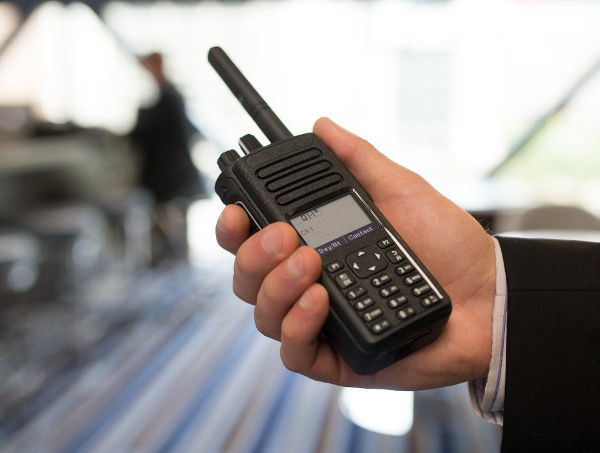
Walkie-Talkie for Grid-Down Events: Stay in Touch Without Cell Service

Remember those days when we thought life went dark when the network went down? Well, it’s quite surprising how much we’ve come to rely on phones and electricity in no time. Being struck by natural disasters or any other unprecedented emergency events can disrupt the services of this advanced technology, causing total chaos among the population. – These are the moments when a walkie-talkie steps in as a life-saving tool for communication that is built to support the chambers, the communities, and the emergency services at times when all other methods are rendered useless.
Table of Contents
The Critical Communication Gap
Every time we rely too much on cellular networks, we expose ourselves to quite a big risk. For a cell tower to function, it needs electricity, backhaul connections, and all of its equipment to be intact. In the event of a grid-down scenario, almost none of those requirements are met. Even those towers equipped with backup generators usually deplete their stockpile of fuel in the span of 48 – 72 hours. This creates a communication blackout just when communication is the most necessary. A reality like this calls for an alternative solution where corrections can be performed independently.
How Walkie-Talkie Technology Provides Resilience
Unlike smartphones, traditional walkie-talkie devices communicate directly with one another using radio frequencies that require no external infrastructure. This fundamental difference creates remarkable resilience during crises. While cellular networks collapse under power outages or overwhelming demand, properly equipped walkie-talkie systems continue functioning with uninterrupted reliability.
The physics behind radio communication explains this resilience. Radio waves travel through space regardless of infrastructure status, allowing properly equipped devices to maintain contact even when every other system fails. This technology, though decades old, remains unmatched for emergency communication specifically because of its independence from external networks.
Advanced Systems for Serious Preparedness
Modern emergency walkie-talkie systems have evolved significantly beyond the toy-like devices many remember from childhood. Today’s advanced options combine traditional radio reliability with enhanced features designed specifically for crisis scenarios. The most capable systems offer extended range, exceptional battery life, and environmental durability that withstands the harshest conditions.
Some cutting-edge communication tools provide hybrid functionality—operating through cellular networks when available while seamlessly transitioning to direct device-to-device communication when infrastructure fails. This dual-capability approach delivers the best of both worlds: extended range during normal conditions and failsafe reliability during emergencies.
Essential Features for Grid-Down Communication
Battery longevity stands as perhaps the most critical feature for emergency walkie-talkie systems. Look for devices offering multiple days of operation on a single charge, with options for alternative power sources like solar charging or replaceable batteries. Water and dust resistance prove equally important, as emergency situations often involve challenging environmental conditions.
Advanced features worth considering include encryption capabilities that prevent eavesdropping, group communication channels that facilitate community coordination, and integration with other emergency equipment. Some systems even offer text messaging capabilities that conserve battery while delivering critical information clearly.
Preparation Beyond Equipment
Owning emergency communication tools represents only the first step in preparedness. Regular testing ensures familiarity with operation while confirming proper functioning. Establishing communication protocols with family members, neighbors, and community groups before emergencies occur dramatically improves coordination during actual grid-down events.
Communication Independence
In an increasingly interconnected world, the paradoxical truth remains that our most sophisticated communication systems often fail first during emergencies. Advanced walkie-talkie systems provide crucial communication independence—ensuring your ability to coordinate, receive information, and maintain contact when conventional methods disappear. This self-reliance doesn’t just enhance convenience during grid-down events—it delivers potentially life-saving capabilities when they matter most.