
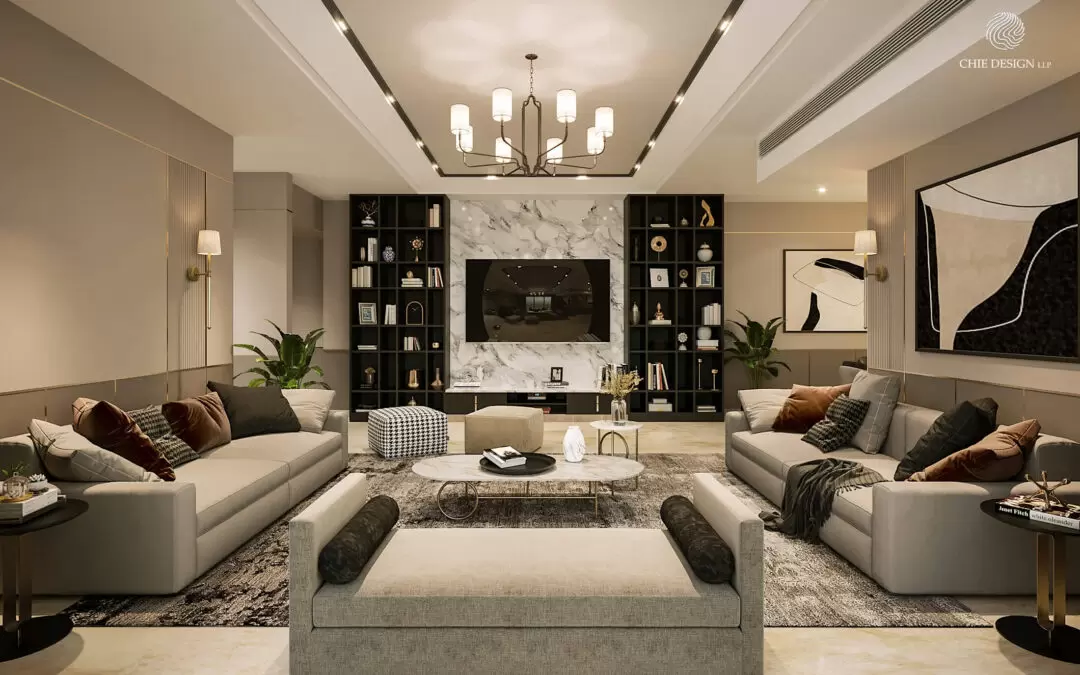
Why Interior Design is Interesting Mintpaldecor

Interior design is more than arranging furniture or choosing paint colors; it’s an art, a science, and a reflection of individual personality all rolled into one. For anyone wondering why interior design is interesting mintpaldecor, the answer lies in its ability to transform ordinary spaces into extraordinary experiences. From aesthetic appeal to psychological impact, interior design merges creativity with functionality in ways that resonate deeply with both homeowners and visitors.
Table of Contents
The Artistic Dimension of Interior Design
At its core, interior design is an artistic expression. Every element—from furniture layout and lighting to textures and color palettes—contributes to a visual story. Designers like those at Mintpaldecor approach each project as a canvas, carefully blending art and functionality.
The fascination begins with color psychology. Colors don’t just decorate a space; they influence mood and behavior. Soft blues can evoke calm, while vibrant yellows spark energy and creativity. Interior designers play with these nuances, creating environments that are not only visually pleasing but emotionally engaging.
Moreover, textures and materials add another layer of complexity. Combining velvet cushions with wooden flooring or metal accents can turn a room into a tactile experience. The choice of patterns, fabrics, and finishes requires both creativity and an understanding of how humans perceive space. This fusion of aesthetic sensibility and practical application is one reason why interior design is interesting mintpaldecor.
The Science Behind Functional Spaces
Interior design isn’t purely aesthetic—it’s grounded in scientific principles. A well-designed interior enhances ergonomics, flow, and usability. This is particularly evident in spaces where efficiency matters, such as offices, kitchens, or collaborative workspaces.
Ergonomics is the study of optimizing environments for human use. Designers consider furniture dimensions, sightlines, and movement patterns to create spaces that are comfortable and intuitive. Proper lighting, for example, can improve productivity and reduce eye strain, while thoughtful layout planning ensures that spaces are navigable and functional.
Interior design also intersects with environmental psychology. Studies have shown that well-designed spaces can reduce stress, boost mood, and even improve cognitive performance. For example, incorporating natural light and indoor plants can create a calming atmosphere, enhancing well-being and productivity. By understanding these scientific principles, Mintpaldecor creates interiors that feel both beautiful and purposeful, illustrating clearly why interior design is interesting mintpaldecor.
Cultural and Historical Influences in Design
Another compelling aspect of interior design is its connection to culture and history. Every design decision reflects influences from different eras, regions, and traditions. Modern interiors might integrate minimalist Scandinavian elements, while a classic room could feature Victorian motifs.
This historical layering allows designers to tell stories through space. For instance, using handcrafted artifacts or traditional textiles can connect a modern home to heritage and culture. Such integration of past and present transforms spaces into living narratives.
Mintpaldecor excels at blending these cultural cues with contemporary aesthetics, creating environments that are both timeless and fresh. Understanding these cross-cultural references is another reason why interior design is interesting mintpaldecor. Each room becomes a curated experience, where design choices speak volumes about taste, history, and lifestyle.
Technology and Innovation in Interior Design
The digital age has brought a revolution in how spaces are imagined and realized. Tools like 3D rendering, virtual reality, and augmented reality allow designers to visualize concepts before implementation. This blend of technology and creativity expands the possibilities for experimentation, personalization, and precision.
Smart homes are another frontier of innovation. Integrating IoT devices, automated lighting, and climate control systems requires designers to think about both aesthetics and functionality simultaneously. Mintpaldecor leverages these innovations to create spaces that are intuitive, efficient, and adaptive, showcasing the evolving nature of interior design and further highlighting why interior design is interesting mintpaldecor.
Moreover, sustainability has become an essential focus in modern interiors. Eco-friendly materials, energy-efficient lighting, and sustainable furnishings not only reduce environmental impact but also create healthier living environments. This intersection of technology, sustainability, and design enriches the field, making it endlessly fascinating.
Psychological Impact of Interior Design
Beyond visual appeal, interior design profoundly affects human psychology. Well-designed spaces influence mood, behavior, and social interactions. Consider a cozy living room with warm lighting, soft seating, and inviting textures—such an environment naturally fosters conversation and relaxation.
Conversely, poorly designed spaces can feel chaotic, stressful, or uninviting. Designers understand the subtle power of layout, lighting, and color in shaping human experience. Mintpaldecor often emphasizes creating personalized spaces that resonate emotionally, turning homes into sanctuaries and workplaces into productive environments.
This psychological dimension adds depth to the field. It’s not just about how a space looks—it’s about how it makes people feel. This blend of empathy, creativity, and science is another reason why interior design is interesting mintpaldecor.
Interior Design as a Reflection of Personal Identity
One of the most captivating aspects of interior design is its ability to reflect personal identity. Homes and workspaces are extensions of those who inhabit them. Through thoughtful design, individuals can communicate their values, tastes, and lifestyle choices.
From selecting furniture styles to choosing artwork or decor accents, every decision is a form of self-expression. Designers act as interpreters, helping clients translate abstract ideas into tangible, harmonious spaces. Mintpaldecor specializes in creating bespoke interiors that reflect individuality while maintaining aesthetic coherence.
This personalization aspect makes interior design endlessly engaging. No two projects are ever identical, and each space tells a unique story. The creativity, empathy, and strategic thinking involved all contribute to the compelling nature of the field.
The Joy of Transformation
Finally, one of the most satisfying aspects of interior design is witnessing transformation. A dull or underutilized space can be turned into a vibrant, functional, and inviting environment. This metamorphosis, whether subtle or dramatic, is incredibly rewarding.
The process involves problem-solving, creativity, and collaboration. Designers work closely with clients, balancing practical needs with aesthetic vision. Seeing a concept evolve from sketches and mood boards to a fully realized space underscores the impact and value of thoughtful design. This transformative power is why why interior design is interesting mintpaldecor resonates with so many people, both as a profession and a passion.
Conclusion
Interior design is a fascinating interplay of art, science, psychology, culture, and technology. It enhances not only the look of spaces but also their functionality, emotional impact, and ability to reflect personal identity. By combining creativity with strategic thinking, designers like Mintpaldecor elevate everyday environments into extraordinary experiences.
Understanding why interior design is interesting mintpaldecor means appreciating the subtle yet profound ways design shapes our lives. From the careful selection of colors and textures to the integration of innovative technologies and cultural influences, interior design is a multidimensional discipline that engages the senses, intellect, and emotions. For those who love creativity, problem-solving, and transformation, exploring interior design is not just interesting—it’s endlessly rewarding.