
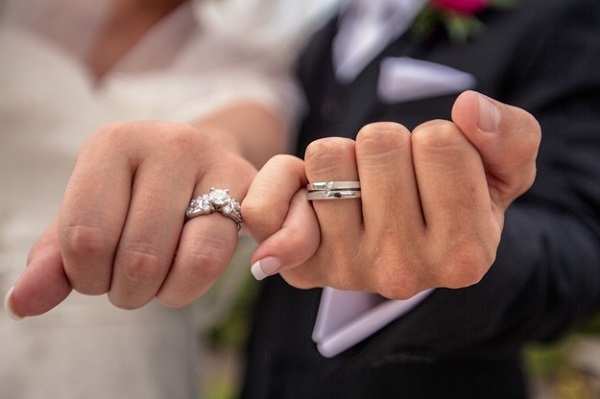
Diamond vs Moissanites: Which Sparkle Should You Choose?

Let’s be honest—shopping for a sparkly piece of jewelry can feel like navigating a glittery jungle. Diamonds, moissanites, man-made diamonds… the options feel endless. You might think, “Isn’t a diamond just a diamond?” But trust me, the differences can surprise you. Whether you’re proposing, treating yourself, or just window shopping, knowing the lowdown can save your wallet—and your sanity.
Table of Contents
A Little Backstory: Diamonds Aren’t the Only Game in Town
For centuries, diamond vs moissanites have been the poster child of luxury. Big, shiny, and, let’s face it, expensive. But times are changing. Enter moissanites and man-made diamonds. Suddenly, you have choices that weren’t really mainstream twenty years ago.
Moissanites were discovered way back in the late 1800s but only recently started stealing the spotlight. They’re lab-grown, sparkle like crazy, and, to be fair, cost way less than natural diamonds. Man-made diamonds, on the other hand, are created in labs to be chemically and physically identical to mined diamonds. Yep, identical. Some people even argue they’re “better” because they’re eco-friendly and conflict-free.
Let’s say your best friend casually says, “I got a diamond!”—you might be surprised if it’s actually a man-made diamond. Science has come a long way. And honestly, if the sparkle is almost indistinguishable from the real thing, why not?
The Options on the Table: What You’re Really Choosing
Here’s where it gets fun. There are basically three options to consider: natural diamonds, man-made diamonds, and moissanites. Each has its quirks.
1. Natural Diamonds
Classic. Timeless. But expensive. Like, heart-stoppingly expensive. If you’re going all out, there’s something about a real diamond that feels… ceremonial. And let’s face it, it’s tradition. Family heirloom vibes. But you have to balance that with the cost. Sometimes a smaller natural diamond can cost more than a larger man-made one. Crazy, right?
2. Man-Made Diamonds
Here’s where technology flexes. Lab-grown diamonds are chemically the same as mined ones. Scratch that—they’re literally the same. You get the same hardness, clarity, and sparkle. The kicker? They usually cost 20–40% less than mined diamonds. Plus, you can feel good knowing no one was displaced and the environment took less of a hit.
Fun example: imagine proposing with a man-made diamond. Your partner sees it, thinks it’s a natural diamond… and you’ve saved thousands. Win-win.
3. Moissanites
Now we’re talking about the underdog. Moissanites aren’t diamonds, but they are gems with serious personality. They sparkle in rainbowy flashes and are super durable (9.25 on the Mohs scale, versus 10 for diamonds). They’re cheaper too, often by a huge margin.
Here’s a quirk: moissanites tend to have more “fire,” which means you’ll see more rainbow reflections under light. Some people love it. Others think it’s too flashy. Honestly? It’s a personal vibe.
Quick Comparison Table
| Feature | Natural Diamond | Man-Made Diamond | Moissanite |
|---|---|---|---|
| Hardness | 10 | 10 | 9.25 |
| Sparkle (Fire) | Subtle | Subtle | High |
| Price | $$$$ | $$–$$$ | $–$$ |
| Eco-Friendly | ❌ | ✅ | ✅ |
| Status/Tradition Factor | High | Moderate | Low–Moderate |
Why It Matters Locally (or Where You Are)
Let’s zoom in a bit. Depending on where you live, these options can have very different vibes. In some cities, jewelers push natural diamonds hard. Everyone assumes that’s the standard. In others, lab-grown options are trendy, eco-conscious, and even a status symbol in their own right.
For example, in urban hubs with a younger crowd, man made diamonds are getting major street cred. People are calling them “smart luxury” because you get the sparkle without the guilt—or debt. Meanwhile, moissanites have carved out a niche with people who love unique, flashy jewelry without spending a fortune.
Honestly, this can also be a cultural thing. Some communities still value mined diamonds for tradition. Others are all about tech and sustainability. Knowing your local trends can make your choice feel less like gambling.
How It’s Made: The Process in Plain English
You might be wondering, “Okay, how do labs actually make these things?” Let’s break it down without turning into a chemistry lecture.
Step 1: Creating the Carbon Base
For man-made diamonds, it starts with carbon. Scientists put it under insane heat and pressure—basically recreating what happens naturally over billions of years, just way faster.
Step 2: Growth Phase
The diamond “grows” crystal by crystal. There are two main methods:
- HPHT (High Pressure High Temperature): Think of it as a mini Earth core in a lab.
- CVD (Chemical Vapor Deposition): Carbon gas deposits layer by layer. Kind of like 3D printing, but sparkly.
Step 3: Cutting and Polishing
This is where humans bring the magic. Precision cuts create brilliance, fire, and sparkle. It’s what separates a “meh” stone from a jaw-dropping gem.
Moissanites are simpler. They’re made in labs too, often using silicon carbide, then cut and polished. They grow faster and cheaper than diamonds, which explains the lower price.
Step 4: Quality Check
Both types go through grading. Experts look at color, clarity, and carat. Labs stamp certificates, so you know exactly what you’re getting.
And that’s it. Pretty cool, right? Lab tech is basically like a jeweler’s Hogwarts.
Trends, Tips, and Practical Advice
Here’s where it gets fun. If you’re seriously shopping, here’s what to think about:
- Budget First – Be honest. Diamonds are pricey. Man-made diamonds save money. Moissanites save even more.
- Sparkle Factor – Some people want subtle glints; others want full-on rainbow fireworks. Moissanite wins on fireworks.
- Sustainability – Eco-conscious? Go lab-made. Your carbon footprint will thank you.
- Longevity – Diamonds (natural or lab-made) last forever. Moissanites are durable, but slightly less so.
- Personal Vibe – Sometimes the “story” matters more than the specs. Did you know a lab-grown diamond can symbolize modern love? That’s a fun twist.
Here’s a little real-talk scenario: Let’s say you have a $5,000 budget. You could get:
- A small natural diamond (maybe 0.7 carats, decent clarity)
- A bigger man-made diamond (over 1 carat, same clarity)
- A huge moissanite (1.5+ carats, crazy sparkle)
Choices, choices. And honestly, all three can look stunning.
Wrapping It Up
So, diamond vs moissanites? Or man-made diamonds? There’s no one-size-fits-all answer. It depends on your budget, style, values, and honestly, how much sparkle you want in your life.
To be fair, trends are shifting. Lab-grown diamonds are gaining traction. Moissanites are showing off their unique personality. Natural diamonds still hold classic appeal. At the end of the day, it’s about what makes you excited to wear—or gift—that gem.
Remember, jewelry isn’t just about money or tradition—it’s about feeling. Feeling fancy, feeling loved, or just feeling like you nailed it.