
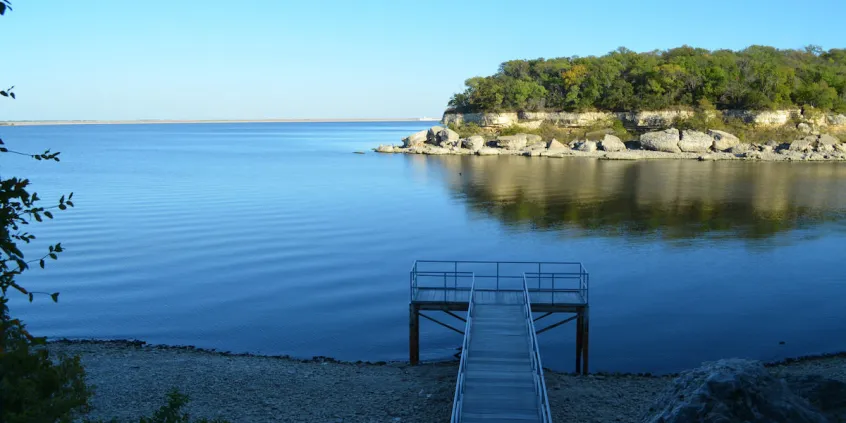
Why Lake Texoma Should Be Capitalized: Grammar & Usage

When the topics are geographic landmarks, the rules for capitalization may look like a small thing. However, small differences in speaking have a great impact on the openness of the text, the author’s professionalism, and even the writer’s acknowledgment of the names of the places. One of the most frequently asked questions, which occur both in casual and professional writing, is: Should the term “Lake Texoma” be written with a capital letter? The short answer is definitely yes—Lake Texoma ought to be capitalized as it is a proper noun identifying a particular body of water located at the Texas-Oklahoma border.
Moreover, the names of placesword works beyond grammar and gives us an insight into the cultural world. This article is about the logic behind capitalization rules, the history of Lake Texoma, and why it is more than just a grammatical nicety to keep on writing the name with a capital letter.
The Basics of Capitalization in English
One method to comprehend why the name ‘Lake Texoma’ is written with capital letters is to find out general English rules of capitalization. Common or proper nouns that specifically name persons, places, or things are capitalized. Such naming automatically involves those geographical features as:
- Mount Everest (not “mount everest”)
- Grand Canyon (not “grand canyon”)
- Lake Michigan (not “lake michigan”)
Along these lines, Lake Texoma is a proper, unique name instead of a mere generic reference. When writing, “I went to a lake this weekend,” the word “lake” would still be lowercase because it is generic. Going the other way, if you identify “I went to Lake Texoma,” it becomes a proper noun and thus both words are capitalized to indicate that you are naming one unique body of water.
This is the very difference between common and proper nouns that explains the reason of Lake Texoma being capitalized.
The Importance of Proper Nouns in Place Names
Names of landmarks signify one thing or another, and apart from cultural identity, geography, or even legal documents, the names of places are tightly connected with language. While Lake Texoma is correctly written with an initial capital letter, it will be easier to keep the accuracy throughout all those media: maps, travel guides, historical records, and tourism literature.
Think of a leaflet in which “lake texoma” is displayed in lowercase. It could look like the authorship is under the influence of the lack of professionalism or that the writer is talking about a particular lake or by using the words is describing to a certain type of lake in the Texoma region. Proper capitalization is one thing that completely gets rid of the ambiguity.
Besides, the style guidelines such as The Chicago Manual of Style and the Associated Press Stylebook both point that the names of specific bodies of water must be capitalized. The consistency in the use of capitals is what keeps the writing polished and credible since these guides are used in publishing and journalism.
A Brief History of Lake Texoma
Getting the point as to why writing Lake Texoma with a capital letter is an absolute must is a journey through its past and a glimpse at its prominence.
Being one of the biggest man-made lakes in America, Lake Texoma has been around since 1944, after the Denison Dam was built on the Red River. The lake that lies just beyond the Texas-Oklahoma state line covers a total area of over 89,000 acres and has garnered popularity as a place for water sports, angling, and vacationing.
Called the “Striper Capital of the World,” Lake Texoma is a rare reservoir where striped bass breed on their own. As an alternative to fishing, the region has also got camping, hiking, boating, and birdwatching. Therefore, it comes as no surprise that the lake receives over six million visitors annually and is counted among the most popular lakes in the United States of America.
This sort of historical and cultural value, in fact, gives more reasons why the name should be given the utmost respect. The case of Lake Texoma being capitalized is not just a matter of language but also a way of recognizing a place which is of great environmental, economic, and cultural value.
Common Mistakes in Writing About Lake Texoma
Despite a set of grammatical rules that are clear, writers often commit errors in Lake Texoma writing. Some of the most frequent mistakes which writers do while writing about Lake Texoma are:
- Lowercasing the name: When someone writes “lake texoma” it is like ignoring that it is a specific place.
- Partial capitalization: A few people wrongly write “Lake texoma” or “lake Texoma,” which is not only inconsistent but also incorrect.
- Dropping part of the name: It is a common mistake to call it simply “Texoma Lake,” however, it is quite a different name.
The way to get rid of these mistakes is to keep in mind that “Lake” and “Texoma” are two parts of a proper noun and hence they should be capitalized together.
Why Correct Capitalization Matters Beyond Grammar
Initially, it appears that the capitalization of letters is a minor thing to be concerned about. However, the proper capitalization of Lake Texoma is a steppingstone to many other things that are beyond those two words.
1. Professionalism and Credibility
Cast a journalist, a travel writer, an academic staff member, or even a researcher; you will see how small errors like those in capitalization can take the author’s authority away. The readers try to find the inconsistencies, and the mistakes they come across may cause them to question the truthfulness of the given data.
2. Search Engine Optimization (SEO)
On digital media, correct capitalization not only makes a text easier to read, but also helps search engines to index words correctly. So, for instance, if a person is looking for “Lake Texoma fishing guide,” the chances are that he/she will come across the right sources only if the writers have been consistent in their capitalization of the name.
3. Respect for Regional Identity
The name Texoma which is a combination of “Texas” and “Oklahoma” is not only an area on the map but also a distinctive community with particular traditions. The capital letters used in the name of the lake reflect that very identity. Writing “lake texoma” is like taking away its rights and privileges.
4. Educational Accuracy
Presenting the correctly spelled and pronounced place names in the lessons of geography and history to students is a way of nurturing good habits in them. The staff members and the syllabi in the institutions of learning are the main examples of the use of capitalization to signify a starting point of the rigorous writing skills.
How Style Guides Handle Place Names
Names like Lake Texoma are treated similarly by most major style authorities. Below you can find their comments:
- Chicago Manual of Style (CMOS): When a specific geographic feature such as a lake, a mountain, or a river is mentioned, the names of these things are to be capitalized if the feature is indicated by the name.
- Associated Press (AP) Stylebook: The term “Lake” should be capitalized if it forms part of the name of a proper noun, e.g., “Lake Tahoe,” “Lake Texoma.”
- Modern Language Association (MLA): The same idea is followed here, recognizing proper nouns in the case of named landmarks.
Overall, the phrase remains the same no matter if you are writing for academic, professional, or casual purposes: Lake Texoma is always to be written with the first letter capitalized.
Synonyms, Variants, and Regional References
Another point of confusion comes from the use of synonyms or variants in reference to Lake Texoma. Sometimes writers use “Texoma Lake,” “the Texoma Reservoir,” or simply “Texoma.” While these phrases may show up in speech or casual writing, they are not official. The correct and widely recognized name is Lake Texoma.
By sticking to the standardized name and its proper capitalization, writers ensure consistency across publications, websites, and educational materials.
Conclusion
In the grand scheme of things, capitalization might seem like a small concern. But as we’ve seen, whether in tourism, education, journalism, or online search engines, it makes a real difference. Lake Texoma should be capitalized because it is a proper noun, a unique place, and a landmark of cultural and geographic significance.
Correct capitalization avoids confusion, maintains professionalism, and respects both the history and the identity tied to the Texoma region. Just as we capitalize names like the Grand Canyon or Lake Michigan, giving Lake Texoma its due through proper writing is a small act of accuracy that carries larger meaning.
So the next time you’re writing about fishing trips, camping adventures, or the breathtaking views of this massive reservoir, remember: capitalize “Lake Texoma.” It’s not just grammar—it’s respect for a name that has earned its place in both language and history.